Setting up

A thoughtful setup is part of building a long-term relationship with your instrument. Kikuchi basses are designed to accommodate a wide range of playing styles and preferences, allowing each instrument to be adjusted to suit the individual player.

While basic setup adjustments such as string height and neck relief are relatively
straightforward to learn, we recommend making changes gradually and check the result before proceeding further.
In addition to action and overall feel, factors such as intonation and pickup-to-string distance play an important role in achieving optimal performance.


If you do not feel comfortable performing these adjustments yourself, we are always
happy to offer advice. Alternatively, we recommend consulting a qualified local repair technician or luthier.

In our workshop, we set up each instrument according to the specifications below. We consider this a good starting point. Depending on your individual playing style, whether you have a lighter or more aggressive touch, small adjustments may further optimize the setup to your personal preference.

Step 1: Neck relief
The neck and fretwork are designed to enable low and comfortable action in all playing positions with very little neck-relief: even an almost straight neck. You can tighten the truss rod to just below the point of back bow.

Step 2: String action
1.5 mm (4/64”) between the 1st string bottom and the 12th fret
2.0 mm (5/64”) between the 4th string bottom and the 12th fret
2.4 mm (6/64”) between the 5th string bottom and the 12th fret
Note: String height is measured with the strings unfretted, meaning they are not pressed down at the first fret. Because of this method, the measured string height will be effectively lower than action measurements taken with the string pressed at the first fret.

Step 3: Pickup height
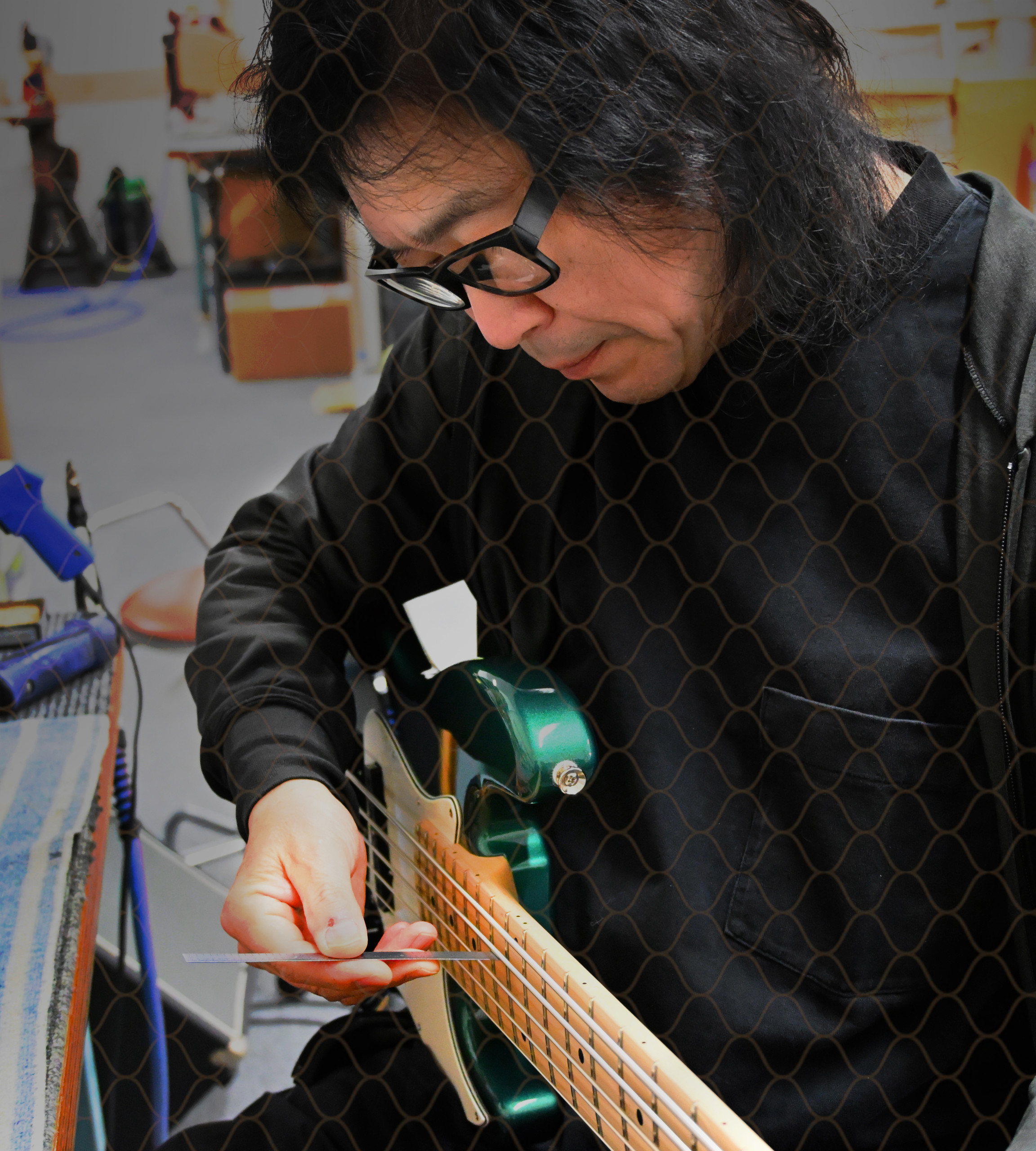
With the string pressed down at the last fret, adjust the pickup height so that there is approximately 1.6 mm (2/32”) between the bottom of the first string and the pickup cover, and 2.4 mm (3/32”) between the bottom of the bass string and the pickup cover. Measure the distance in such a way that the markings on the ruler just disappear from view.

Truss
rod adjustment
The carefully selected tonewoods and graphite reinforcement provide excellent neck stability while preserving the resonance required for optimal tone and playing feel. However, during seasonal changes or when usage conditions change, for example when switching to strings with different tension, slight movement of the neck may occasionally require a truss rod adjustment.

If you notice such changes, adjust the truss rod in quarter-turn increments and check whether the
neck relief improves as desired. Allow the neck time to settle before making further changes. Since the strings pull the neck forward, it is important that the bass is tuned to pitch when checking or adjusting the setup.
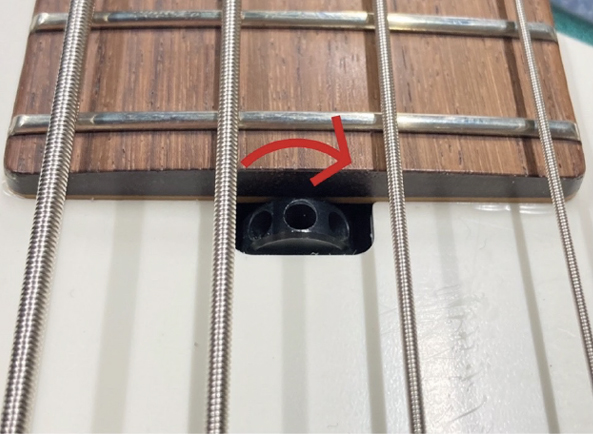
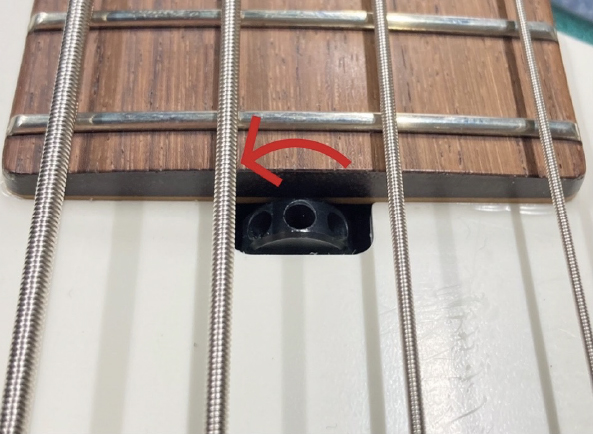
If the neck shows excessive forward bow, resulting in higher action, tighten the truss rod by turning it clockwise. If excessive resistance is felt, stop adjusting immediately. You may try tuning down the strings 2 whole steps to allow for the truss rod to move with less resistance.
If the neck is too straight or has a backward bow, which may cause string buzz, loosen the truss rod by turning it counterclockwise.

Care

Regular care helps keep your Kikuchi bass in optimal condition and performing at its best.

Wiping the instrument down after playing removes moisture and residue that can affect both the finish and the hardware over time. We recommend using a clean, soft cloth and avoiding abrasive materials or aggressive cleaning agents.

For instruments equipped with active electronics, periodically checking the battery helps ensure consistent performance. The estimated life of the 9V battery is approximately 650 hours. To extend battery life, always unplug the instrument when it is not in use. If the battery becomes depleted, the instrument can continue to operate in passive mode.

When the instrument is not in use, storing it in its case and maintaining a stable environment, avoiding excessive heat, cold, or humidity, will help preserve the wood, finish, and setup. Thoughtful care not only protects the instrument, but also supports its long-term playability and tone.